3rd Edition: 2024
Description
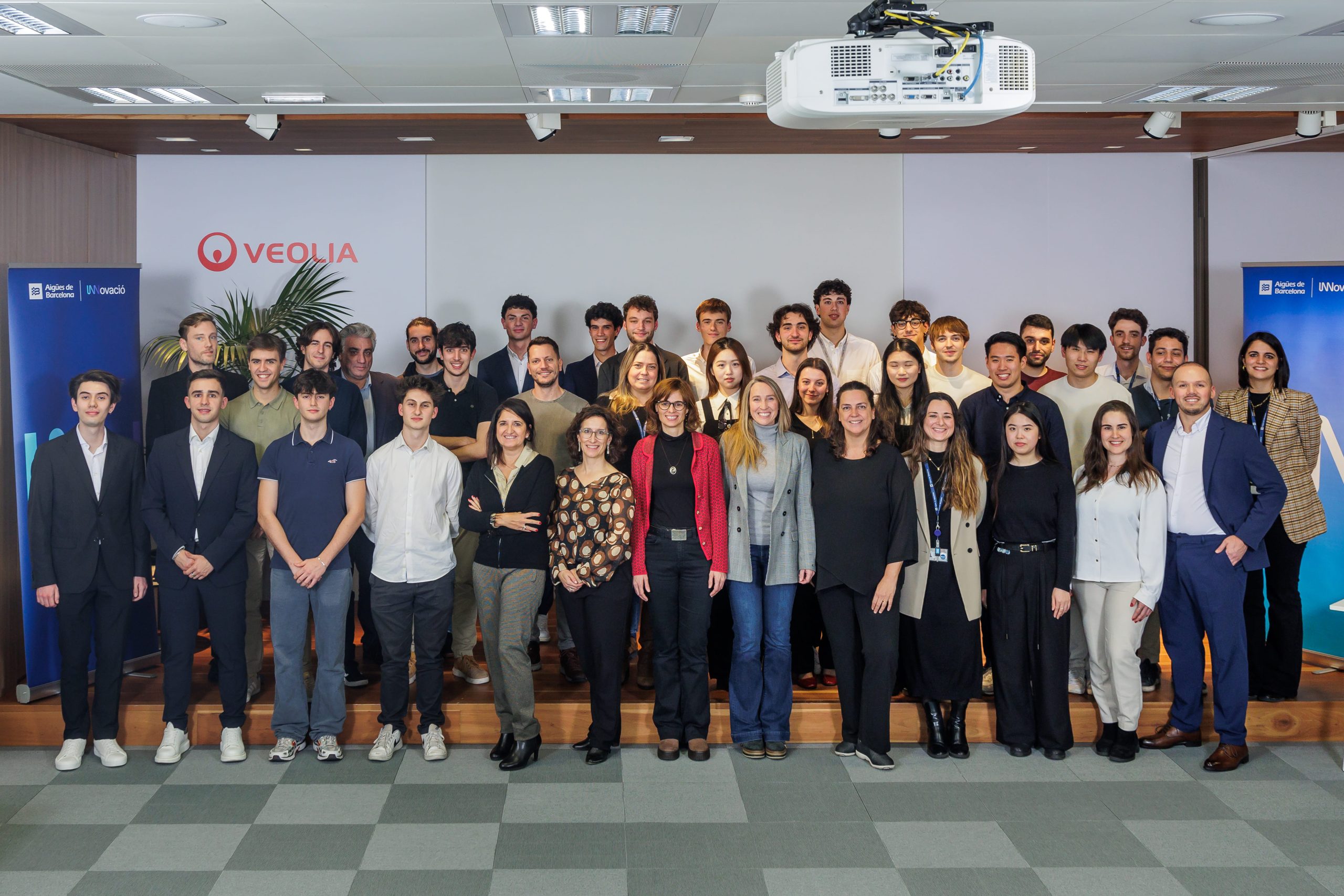
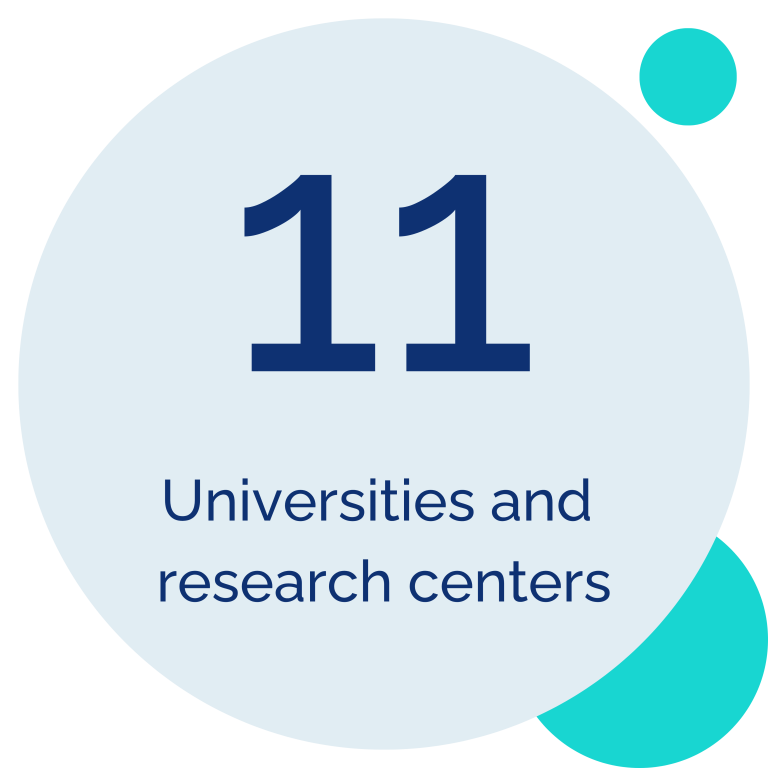
AB Data Challenge is part of an innovation model where, through an open data competition, we collaborate with universities, research centers, and vocational training centers to promote the use of tele-reading data with the purpose of accelerating innovation.
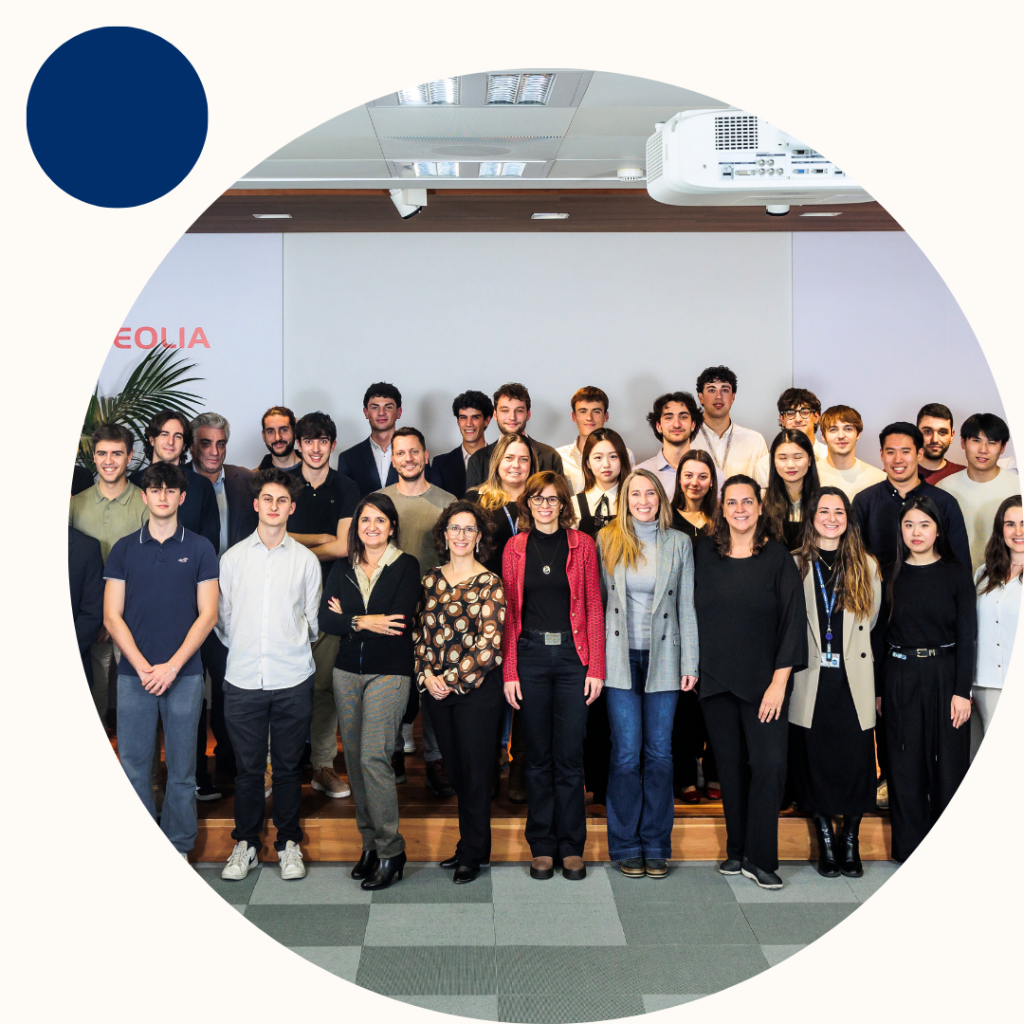
3rd Edition AB Data Challenge
In this third edition, we made available to the participating groups the aggregated tele-reading data for 2021, 2022, and 2023 from some municipalities in the metropolitan area of Barcelona.
The challenges have been mainly focused on understanding consumption patterns of vulnerable social groups, the effects on sustainability and climate change, setting up excess consumption alarms, and open innovation. The program continues to drive new challenges with the main objective of promoting innovation and talent.
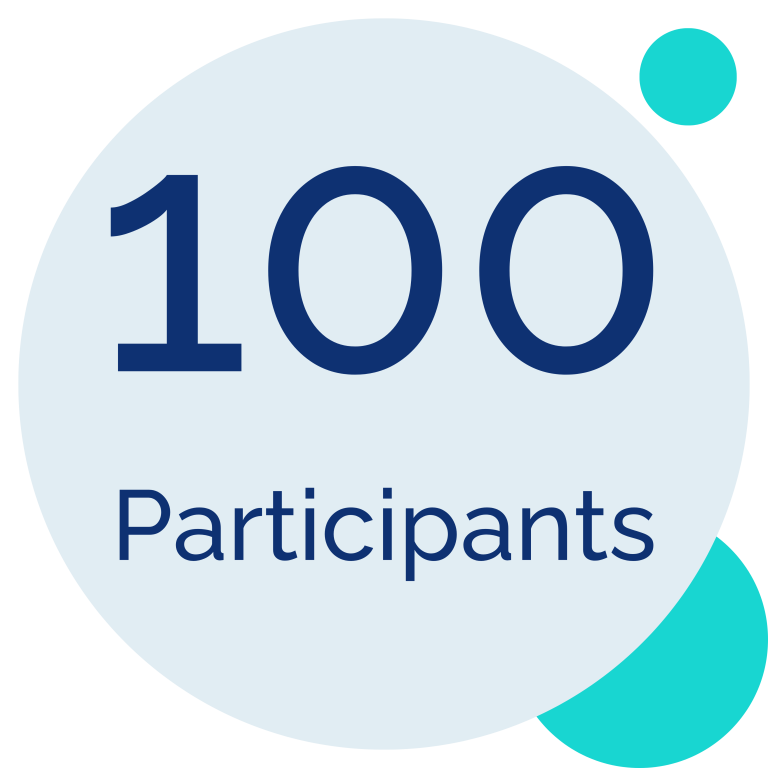
Key Figures 3rd Edition
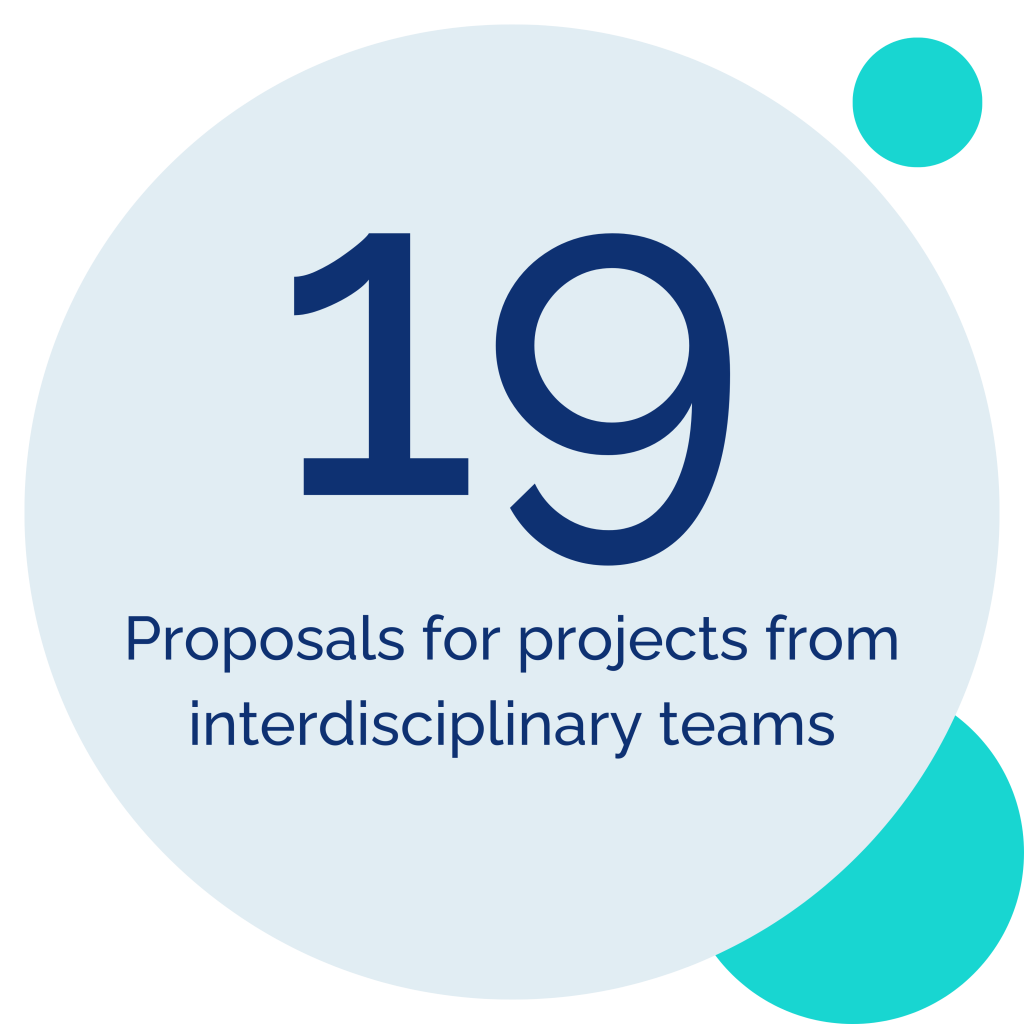
Finalist projects
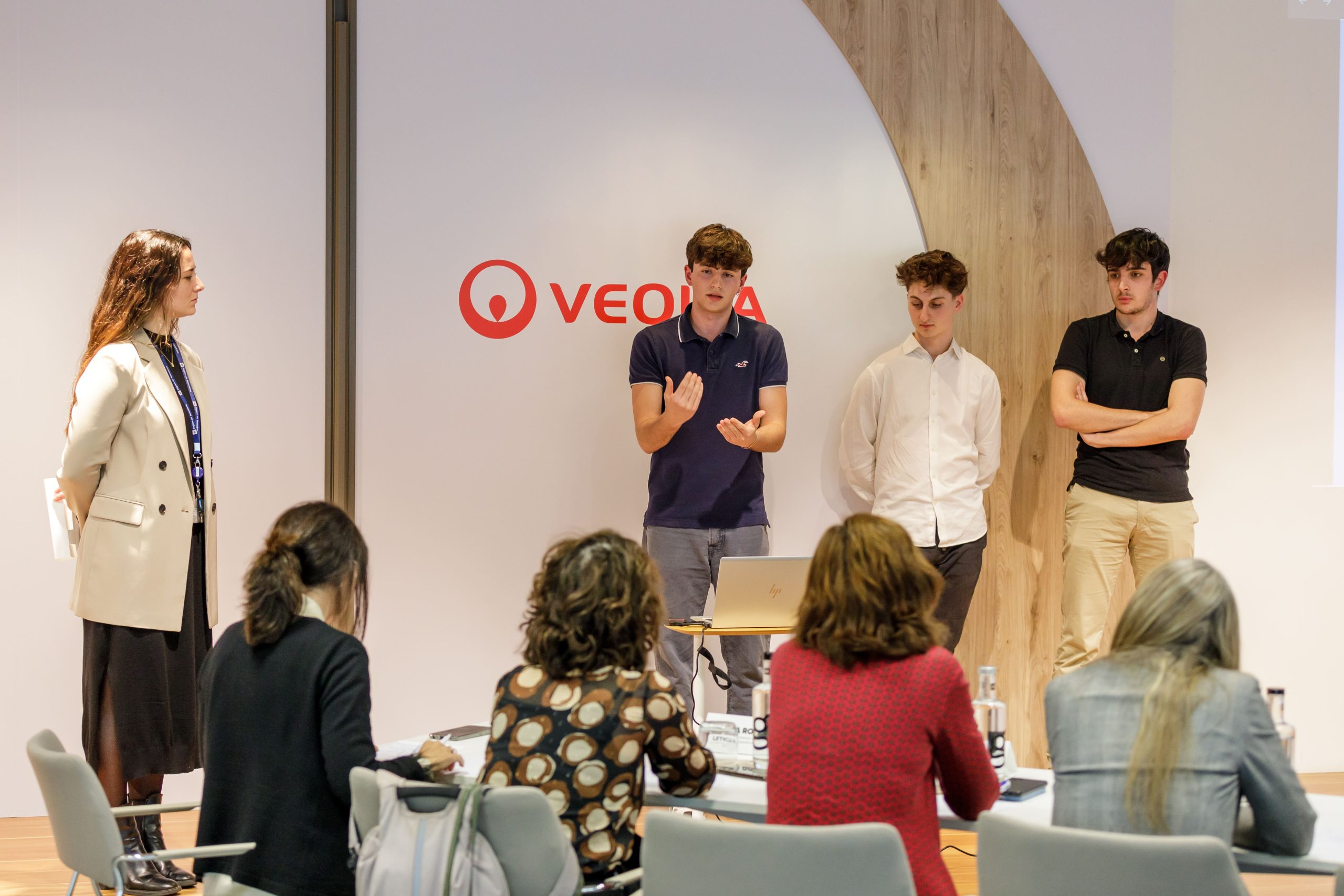
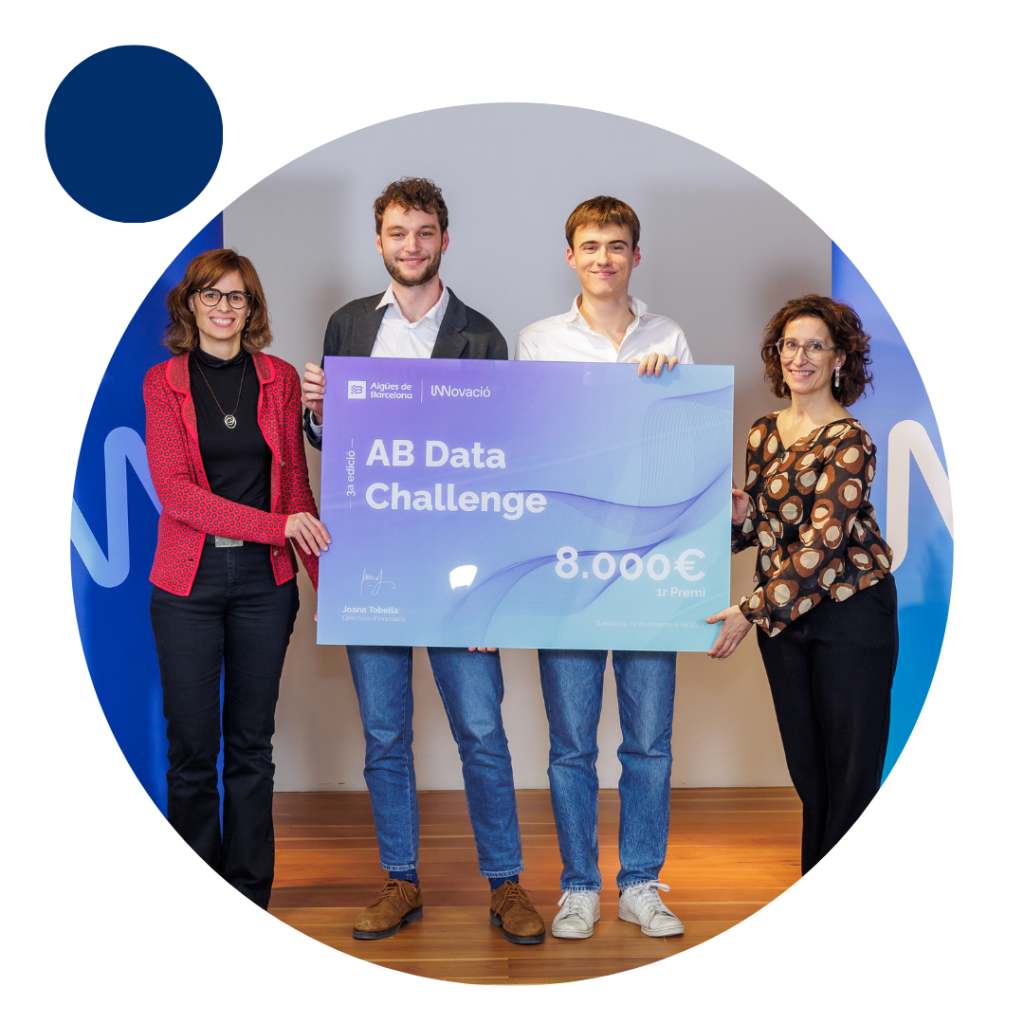
Marcau Metering Solutions
1st place
Challenge: Excessive Consumption Alarm
University: UB
2 participants
Data Science
Objective: Detect anomalies in the weekly consumption patterns of network meters and infer their cause.
Description
Development of two complementary systems for detecting and analyzing anomalies in consumption patterns. The first is an anomaly detection system that uses a data matrix to compare consumption between different weeks for the same meter and between different meters in the same week. The second is an explanatory system that helps determine the specific causes of the anomaly identified by the detection system, pinpointing the exact points or time intervals where it occurred.
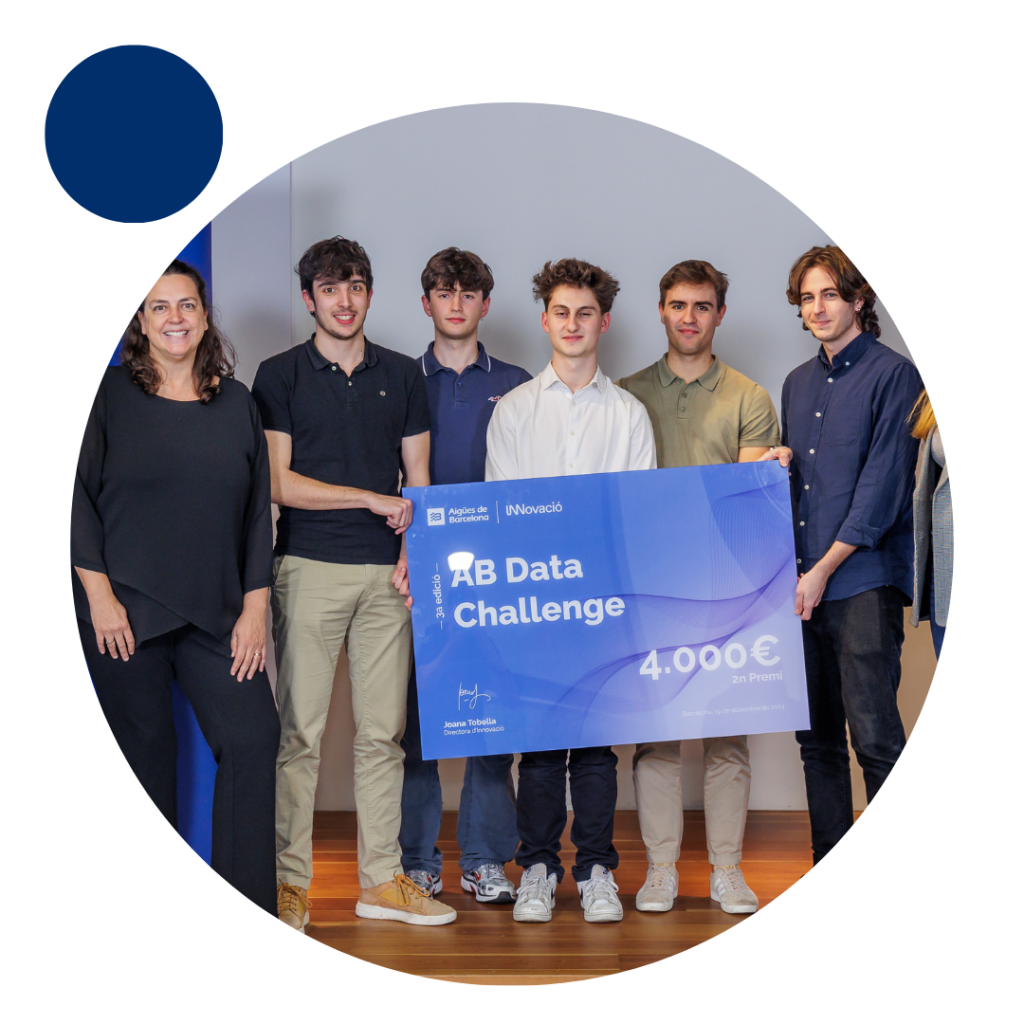
Aqualert
2nd place
Challenge: Social Housing and Water Consumption
University: UPF
5 Participants:
Computer Engineering / Data Science
Objective: Improve the well-being of the most vulnerable households through early detection of problems based on their water consumption.
Description
Development of a residential consumption prediction model based on the extrapolation of current consumption. The results of the model are visualized through a mobile app that integrates LLMs, where the user can set up alarms based on the difference between actual and predicted consumption, and ask questions about their consumption.
Aquateam
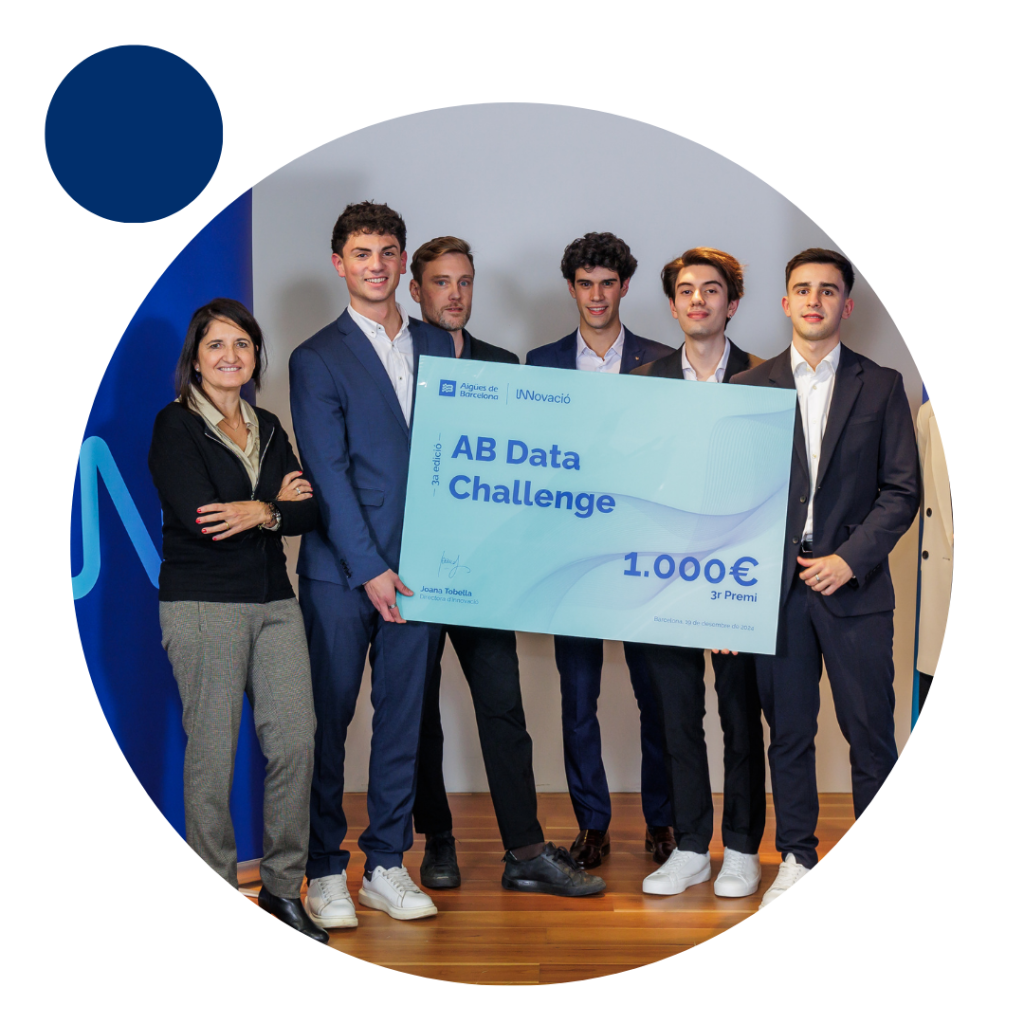
3rd position
Challenge: Open Innovation
University: UPF
5 Participants:
Mathematical Engineering in Data Science
Objective: Predict and prioritize the replacement of meters to improve operational efficiency and customer service.
Description
Development of a model based on machine learning techniques to prioritize meter replacements. Aigües de Barcelona uses two types of meters: mechanical and electronic. The latter offers significant advantages, such as real-time monitoring, early anomaly detection, and the reduction of operational costs, despite having a higher maintenance cost. The model analyzes water consumption patterns to predict which mechanical meters would benefit most from an upgrade to electronic meters and which electronic meters with low usage and high maintenance costs could be replaced with mechanical devices.