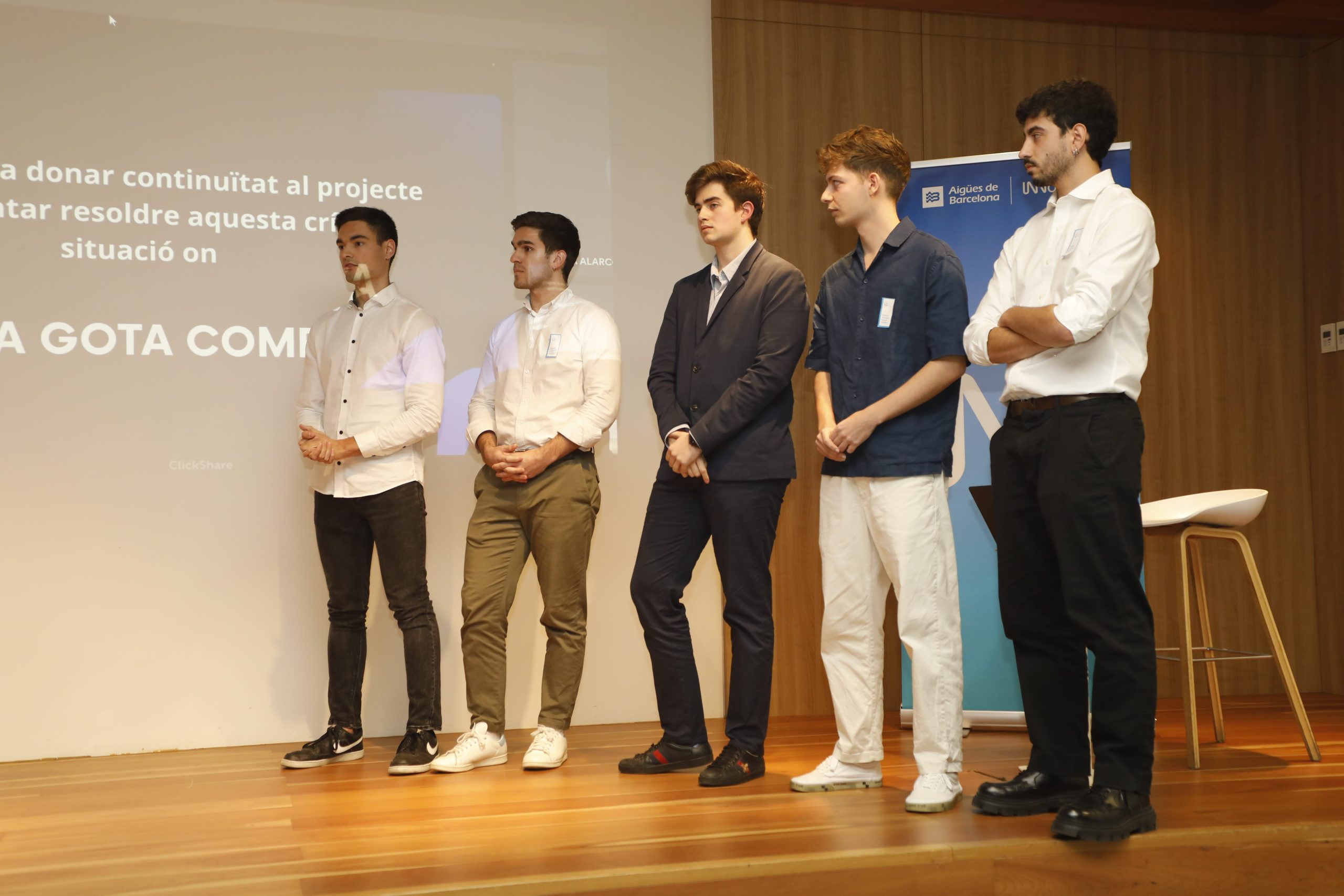
Second edition: 2023
Description
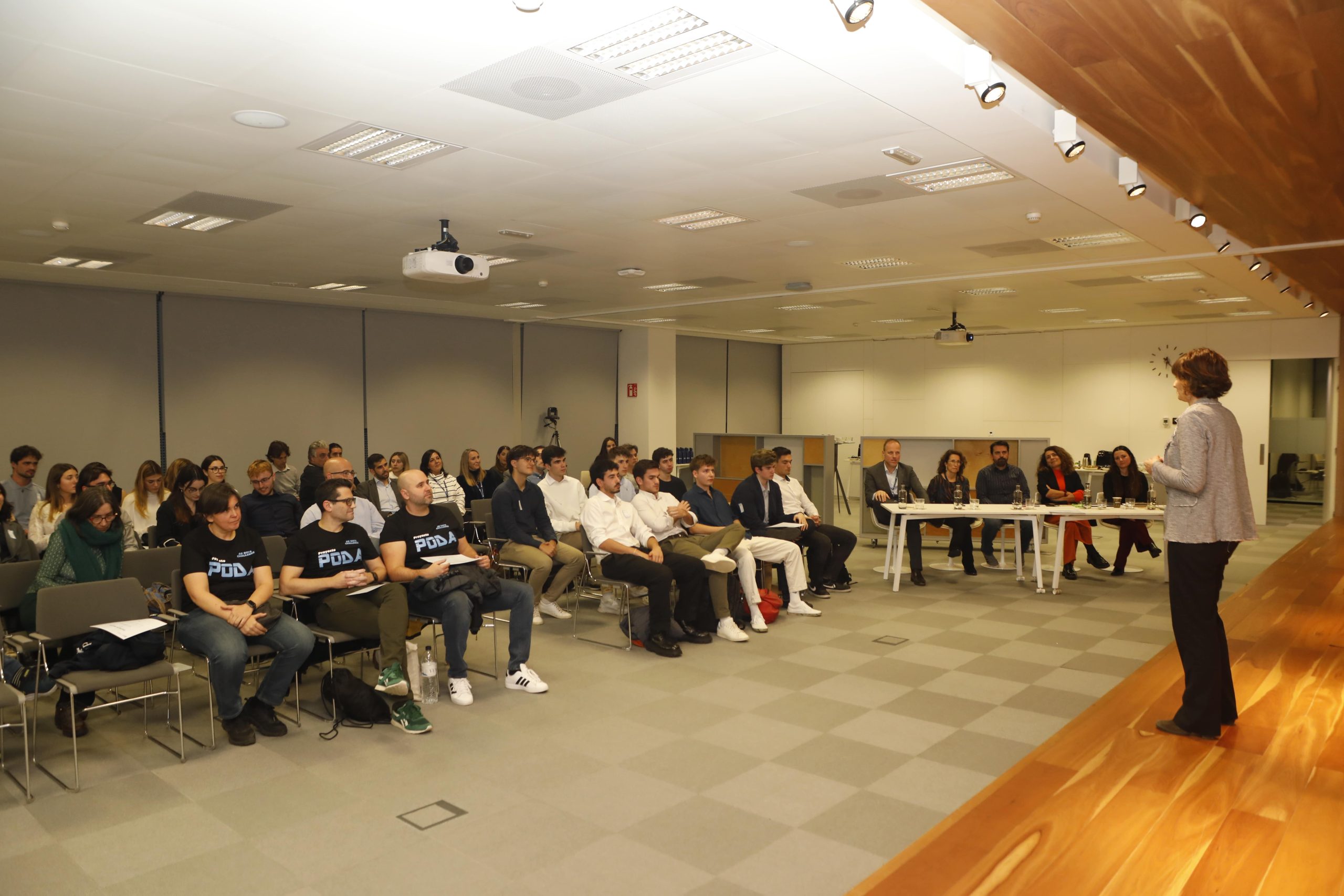
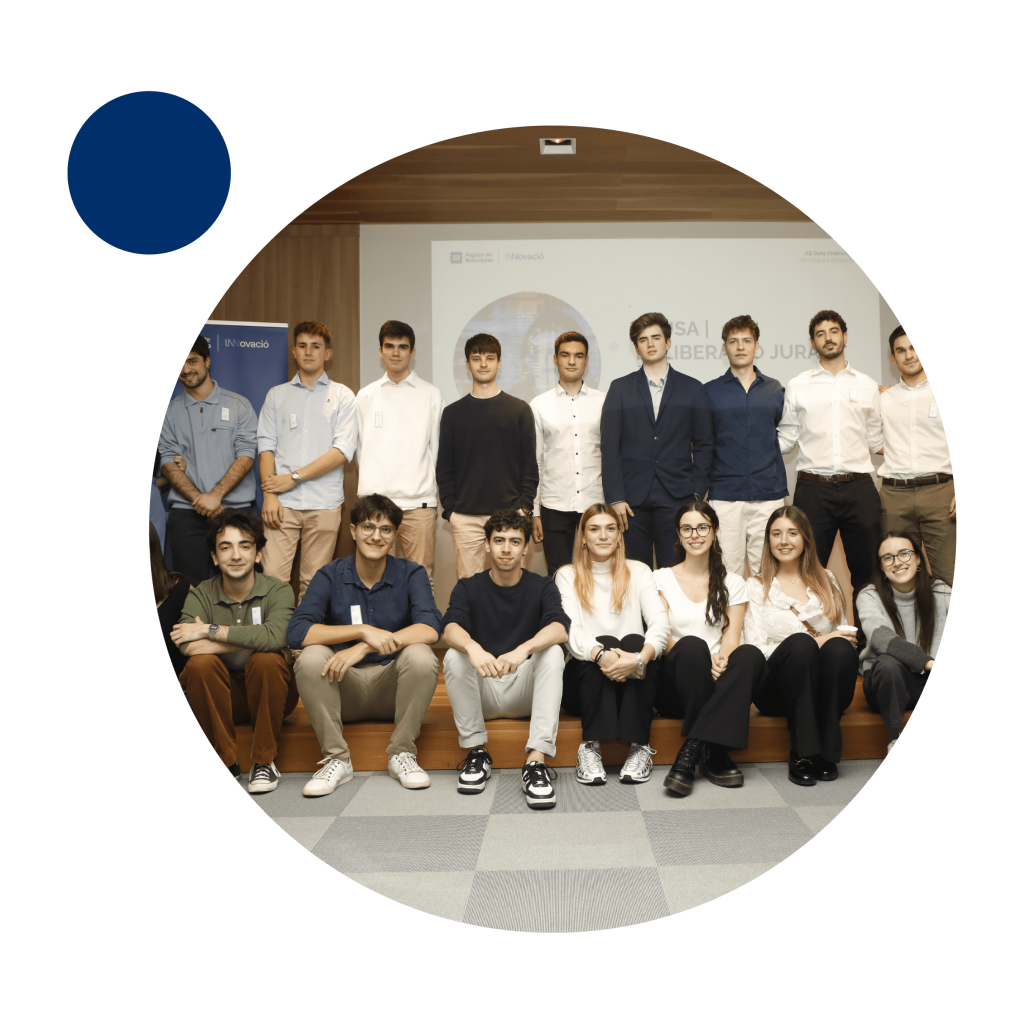
AB Data Challenge is framed within an open innovation model where, through an open data contest, we collaborate with universities, research centers, and vocational training centers to promote the use of remote reading data with the aim of accelerating innovation.
2nd edition AB Data Challenge
In this second edition, we made available to the participating groups the aggregated remote reading data for 2019, 2020, 2021, and 2022 from some municipalities in the metropolitan area of Barcelona.
The challenges have been mainly focused on understanding consumption patterns of vulnerable social groups, effects on sustainability and climate change, data quality, smart cities, and open innovation. The program continues to promote new challenges with the main goal of fostering innovation and talent.
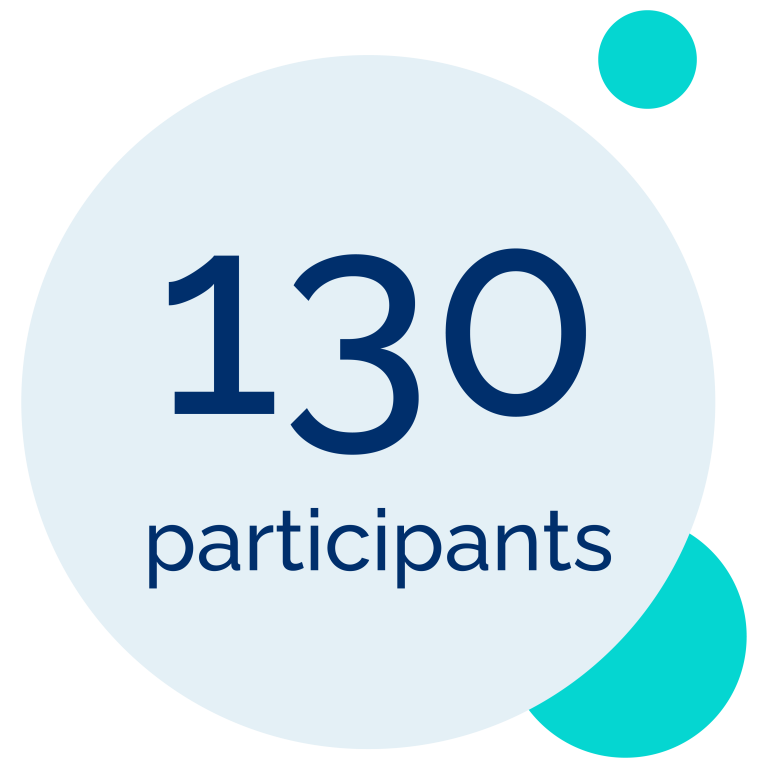
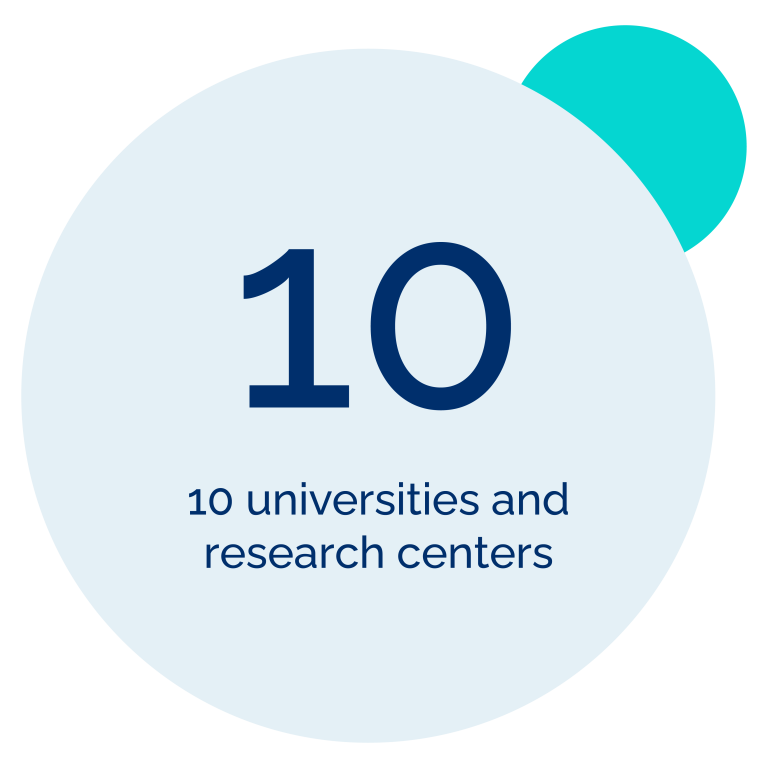
Key figures from the 2nd edition
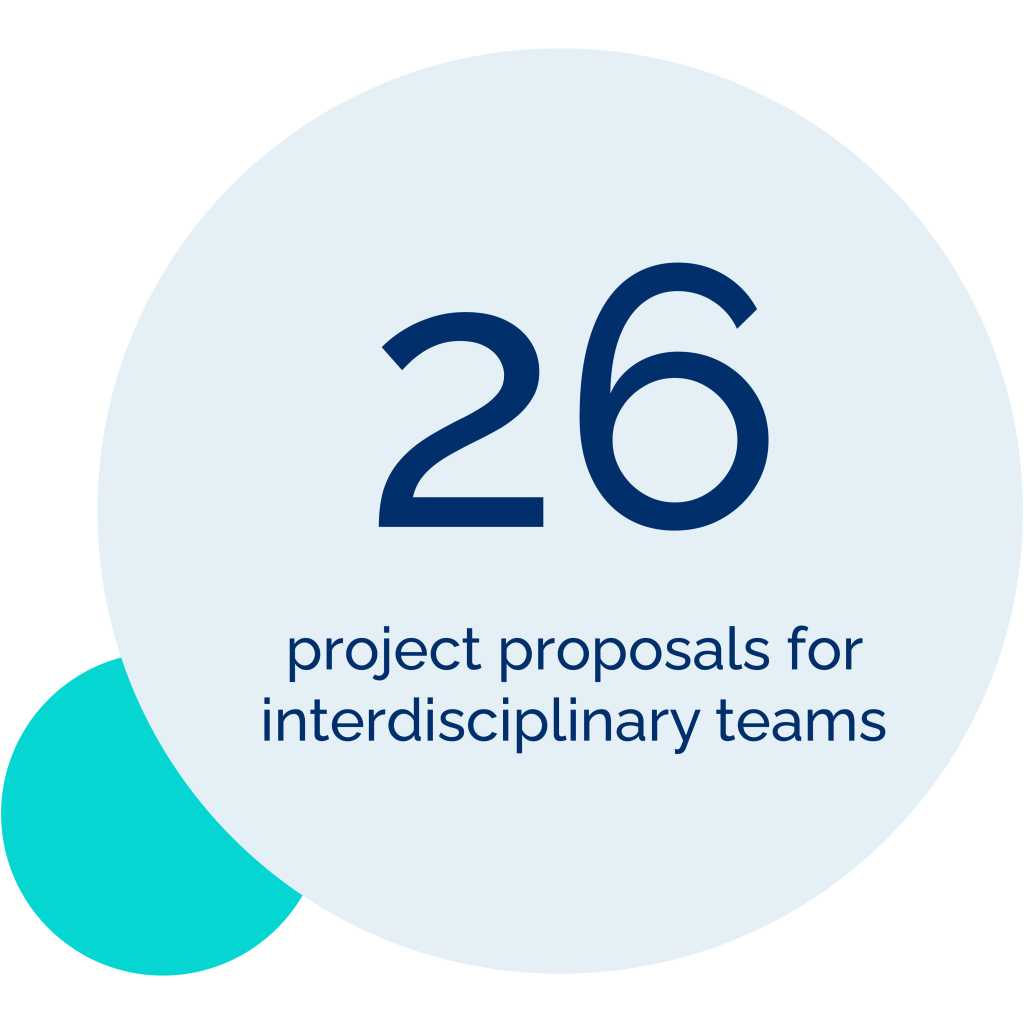
Finalist projects
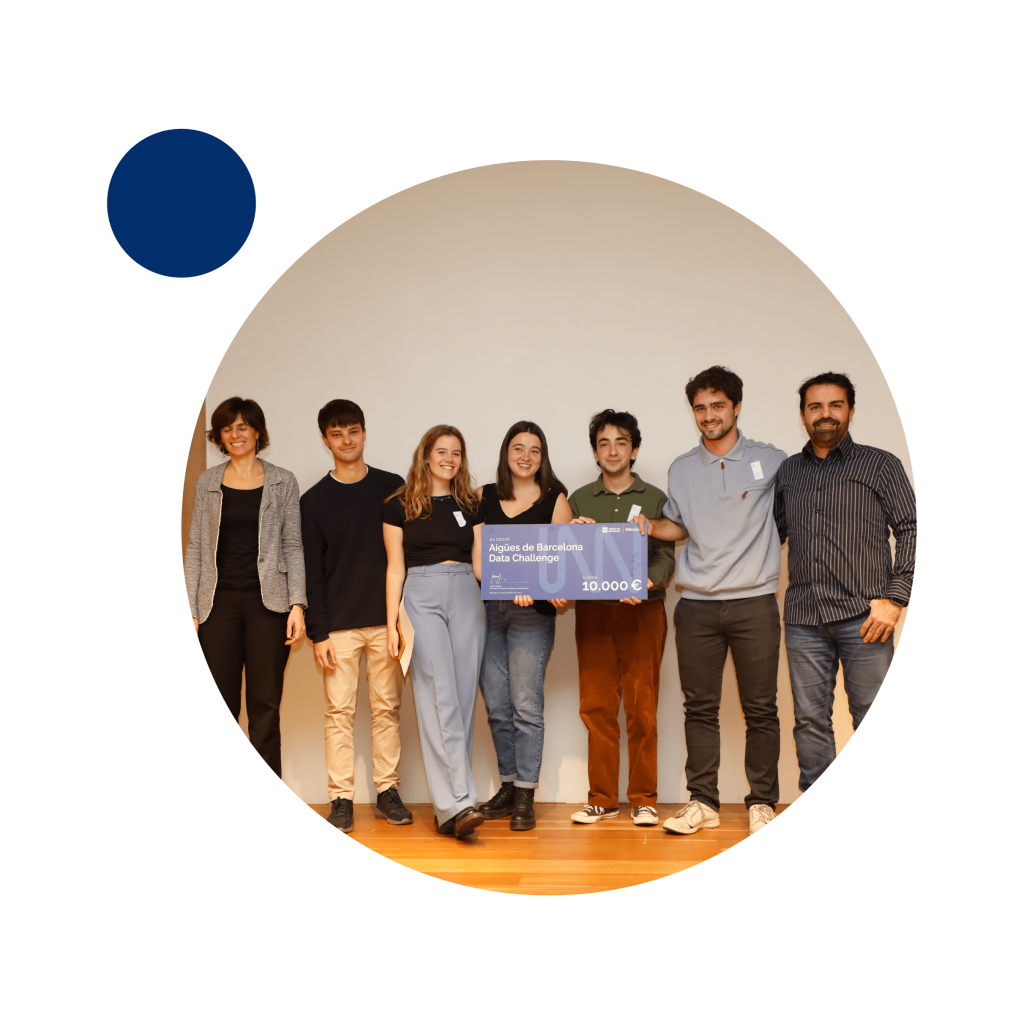
Water of the future
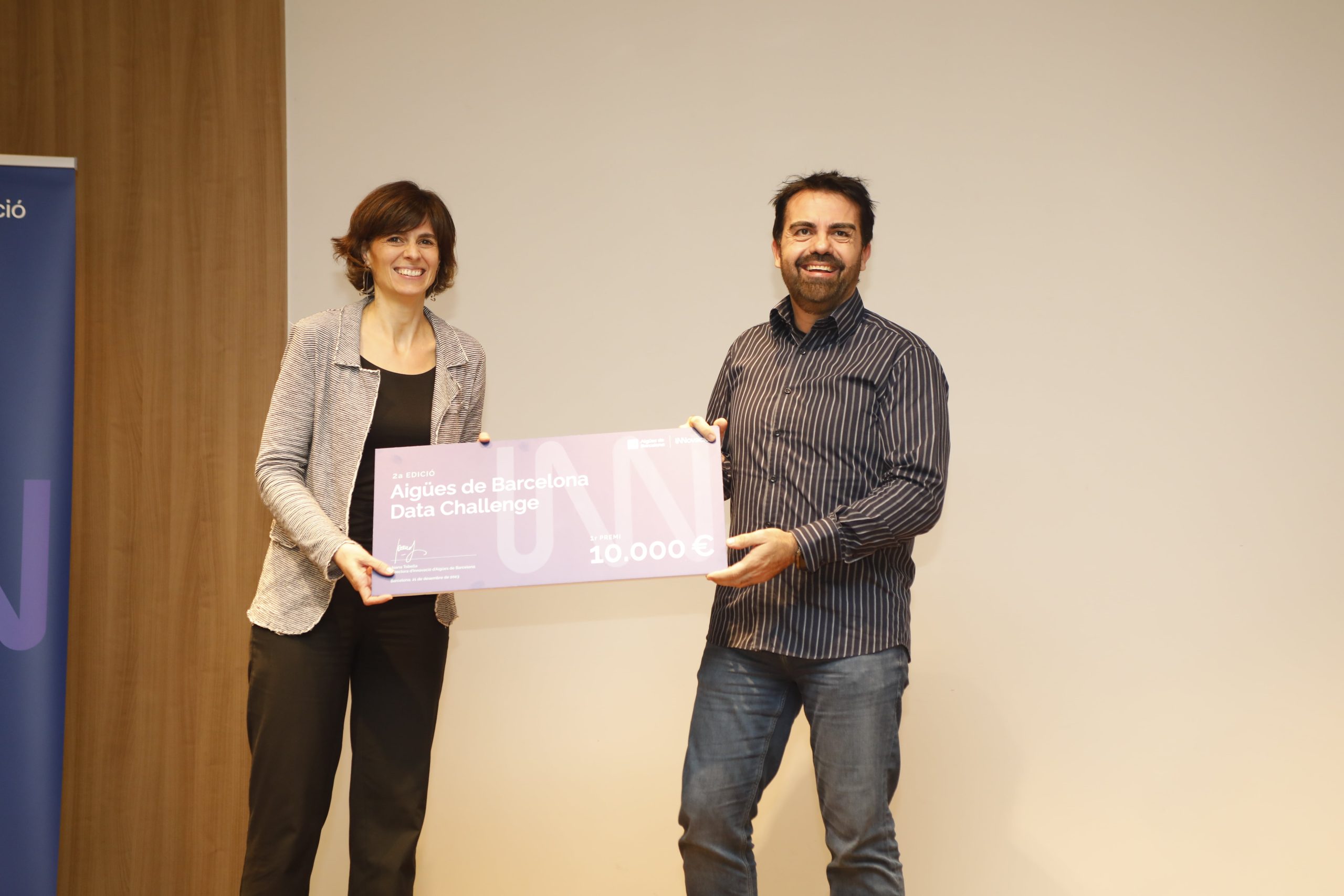
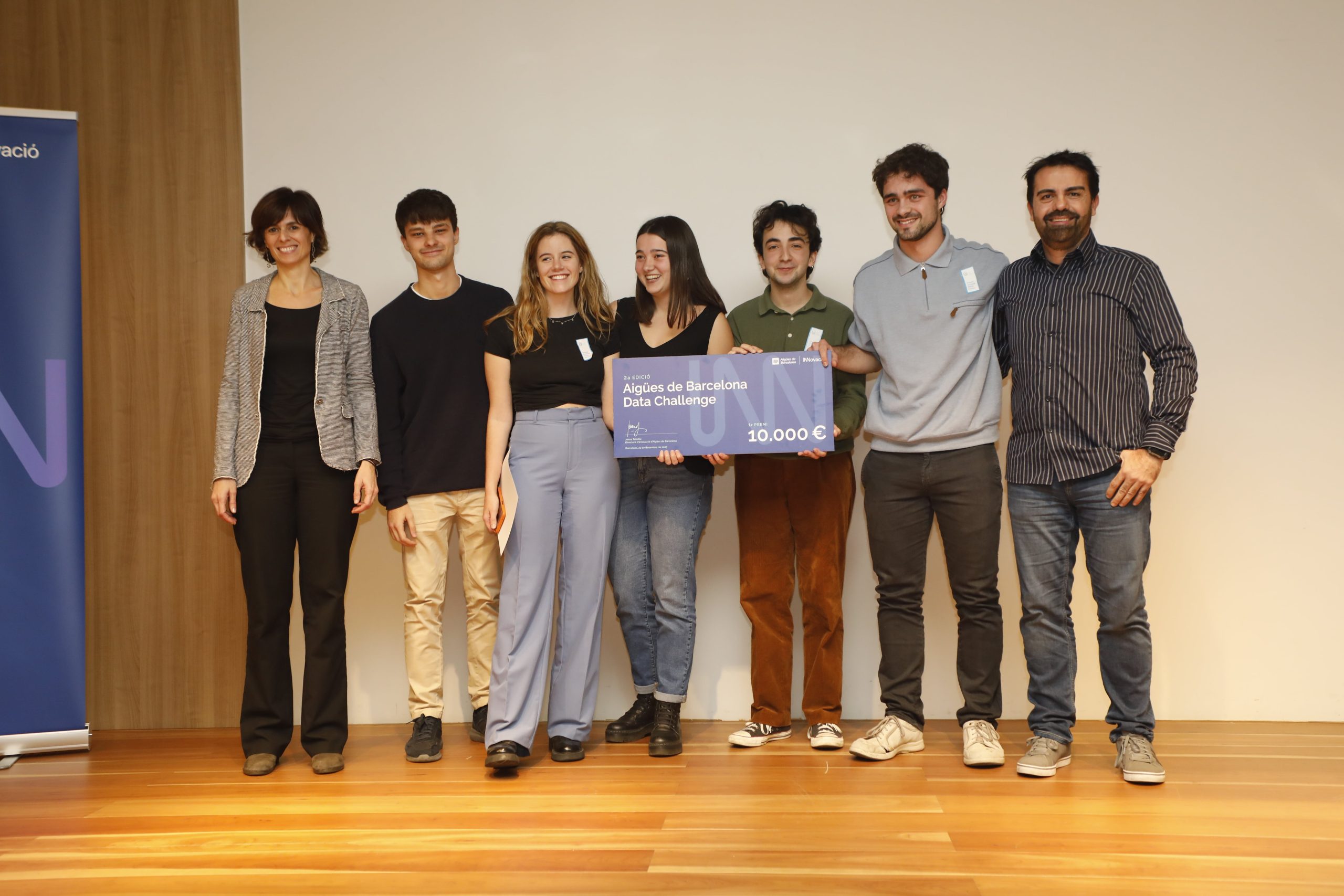
1st place
Engineer in Audio-Visual Systems / Telecommunications Engineer / Mathematics Engineer in Data Science
Objective: Develop a neural network-based model to detect and predict water leakage patterns in Barcelona.
Description:
Enhancing water supply management through machine learning and statistical models to prevent losses and fraudulent uses. By analyzing historical data and predicting trends, the goal is to ensure a more efficient and sustainable use of water in the city. The model will identify locations with current and future leakage possibilities, enabling proactive measures. This initiative not only benefits the environment but also reduces costs, thereby improving management efficiency.
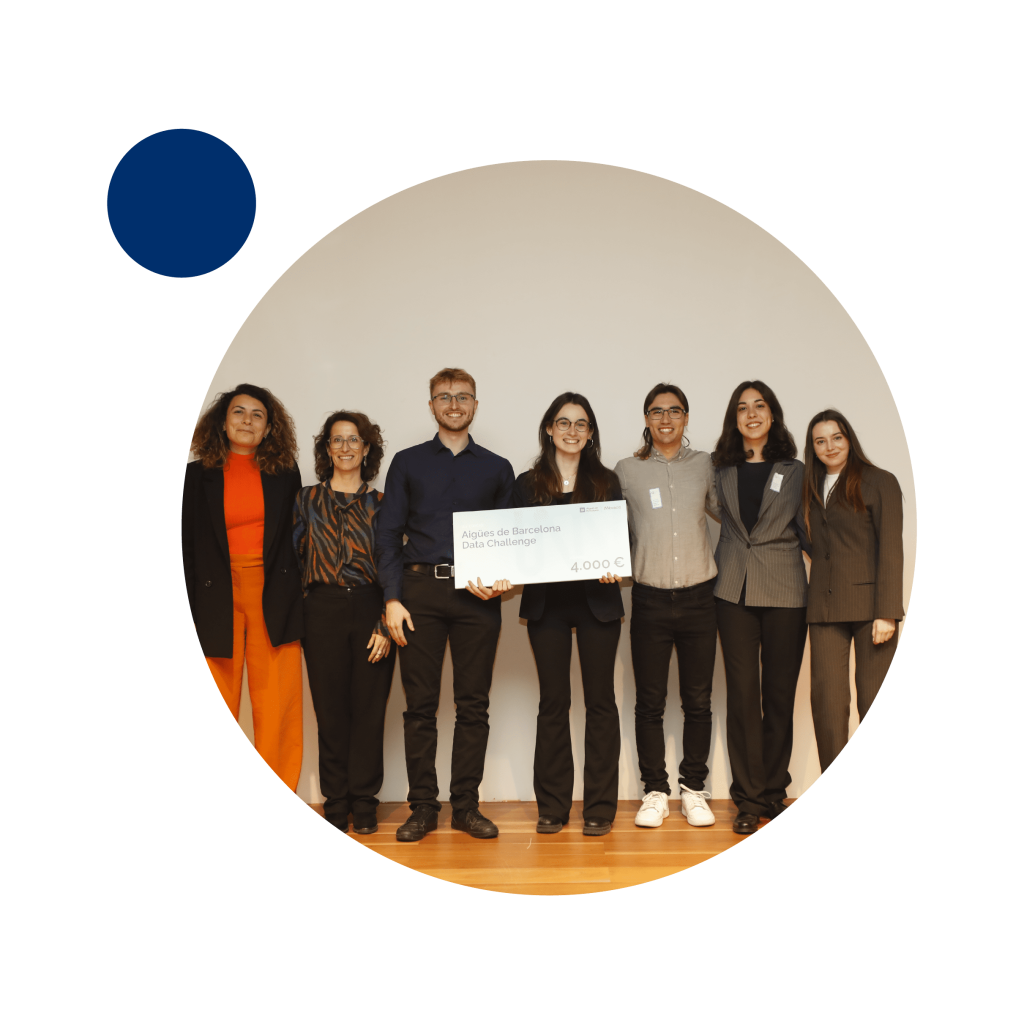
Big Water
2nd place
University: UPC
5 Participants:
Environmental Engineering
Objective: Optimize water usage through data analysis and personalized recommendations.
Description:
The challenge aims to identify user profiles based on their water consumption patterns and develop an application that provides personalized recommendations to optimize water usage, calculating both economic and water savings. It compares users’ savings with population averages and past consumption to highlight improvements, while educating the community on sustainable practices and promoting collaboration with water-efficient businesses.
Water Wise
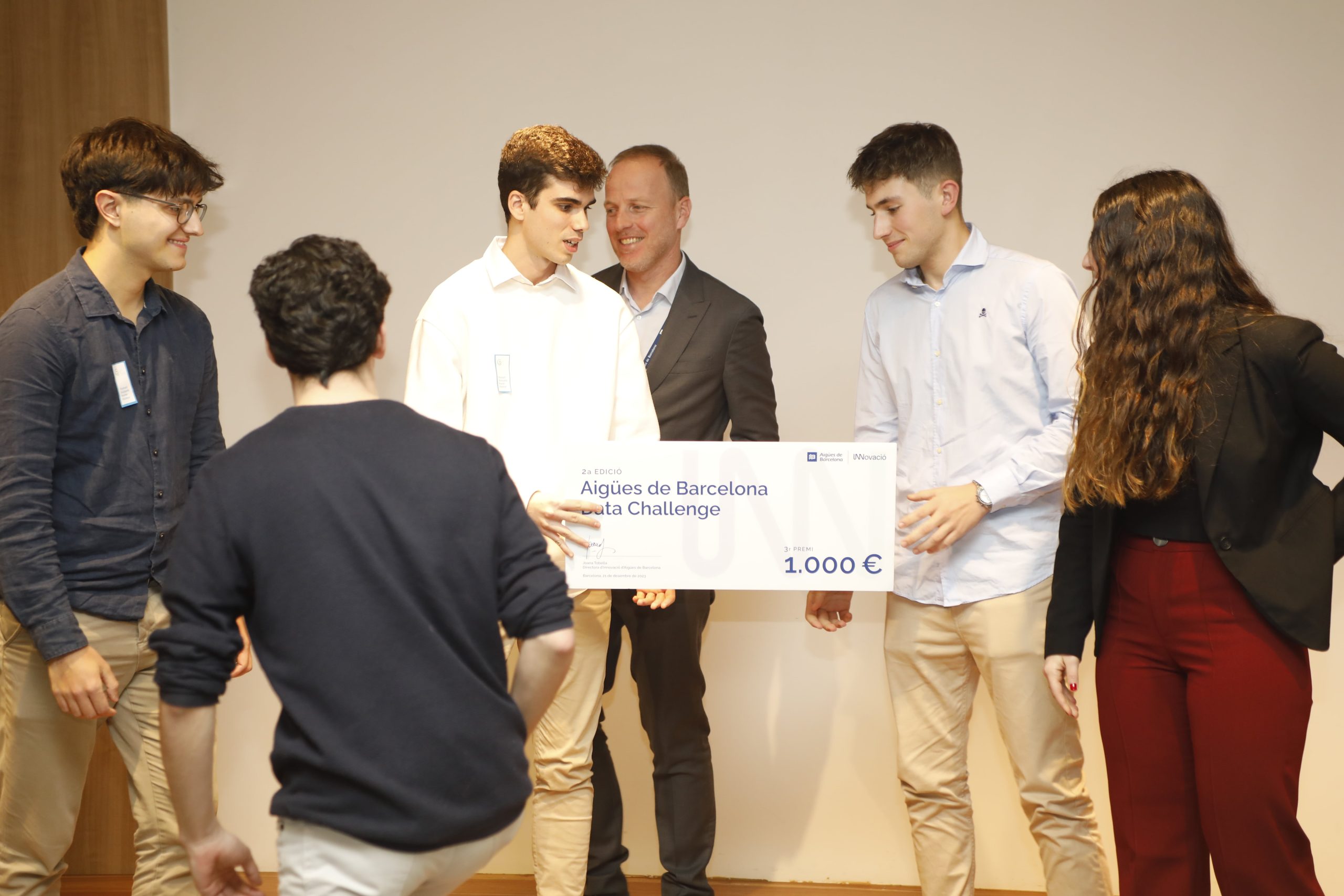
3rd place
Goal: Vulnerable environments
University: UPF
5 Participants:
Objective: Investigate hypotheses about potential relationships between water consumption patterns and socioeconomic factors through a dashboard.
Description:
The challenge presented motivates us to explore how social realities influence daily water consumption. Having data and information is essential to successfully address these questions, as they involve various aspects and considerations. Therefore, we aim to develop a visual tool based on real data that helps us uncover meaningful insights.